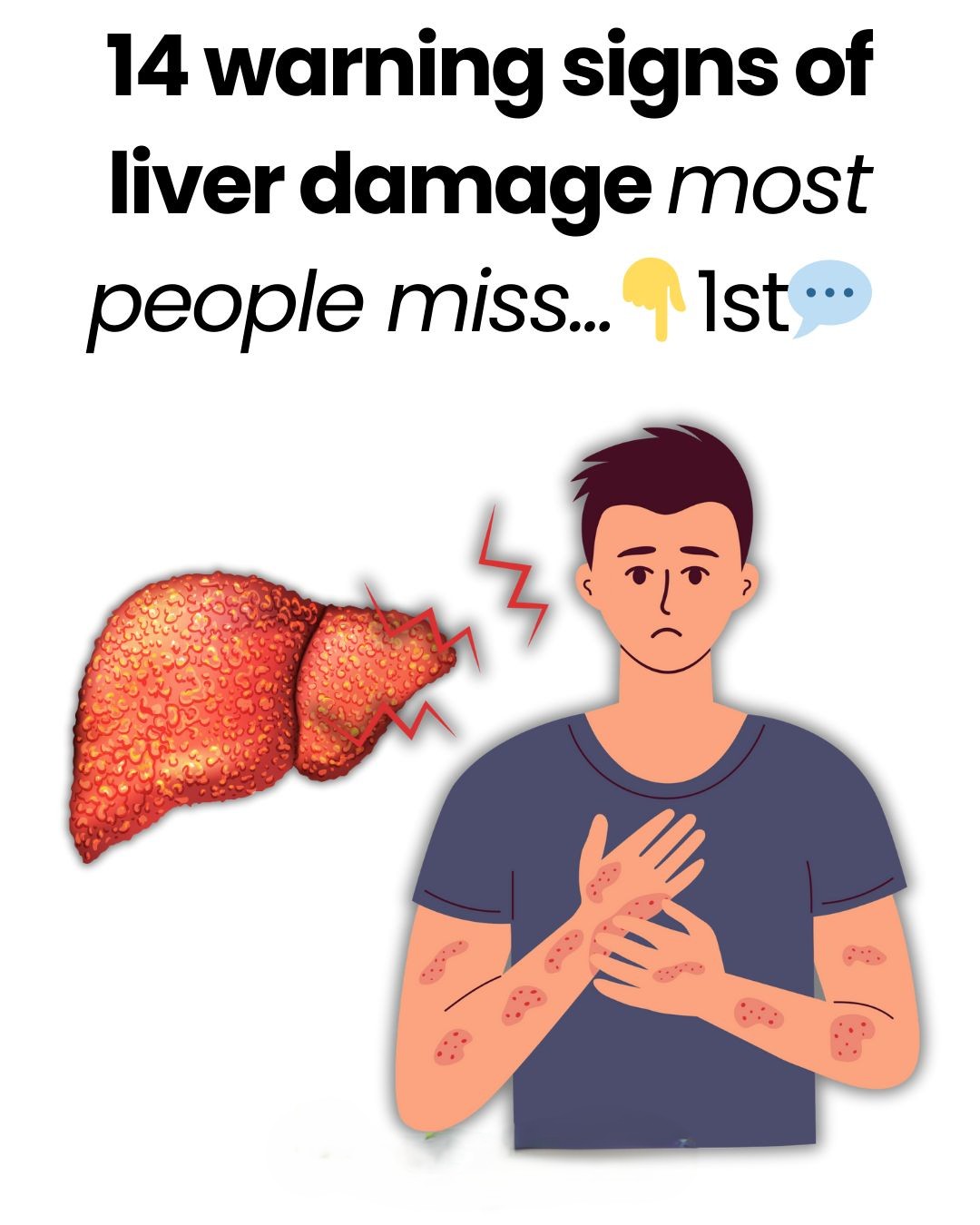
Abdominal swelling is a telltale sign of cirrhosis. This condition, known as ascites, arises when the loss of proteins in the blood, cause fluid to leave the vessels and accumulate in the space between the tissues which line the abdomen and abdominal organs. This fluid buildup exerts pressure in the abdomen, leading to discomfort and pain.
Portal hypertension, which is high blood pressure in the portal vein that delivers blood from the digestive organs to the liver, can also lead to the development of ascites. The increased pressure and blood pooling can also cause the spleen to enlarge, causing upper left-side abdominal pain that radiates to the back.
The next symptom is, Number 8, “Itchy Skin”.
If you’re experiencing pruritus, or itchy skin, it could be a sign of a liver disease. This itching could be caused by the restriction or stoppage of bile flow from the liver. This type of itching can be so intense that it disrupts your sleep and daily activities. It does not generally involve rash or skin lesions, and is not relieved by scratching. The itching can develop in one area or all over your body, but it’s most commonly felt on the palms of your hands and the soles of your feet.
Our Number 7 symptom is, “Changes in Bowel Movements”.
When your liver is not functioning well, it can slow down digestion, leading the body to increasingly excrete toxins in the bowels. This results in constipation or diarrhea. In later stages of liver damage, the liver may struggle to produce and process bile and bilirubin, which give stool its brown color, causing the stool to become pale-colored.
Next, we have Number 6, “Changes in Urine”.
Dark urine is often one of the first signs that bilirubin levels are elevated. This happens because the damaged liver cannot break down this yellowish pigment and remove it properly. Without effective elimination through stool, excess bilirubin circulates back into your bloodstream and then gets filtered out by your kidneys, darkening the urine.