Your liver can be damaged for years before you feel seriously ill and these 14 symptoms are the early warnings most people never recognise

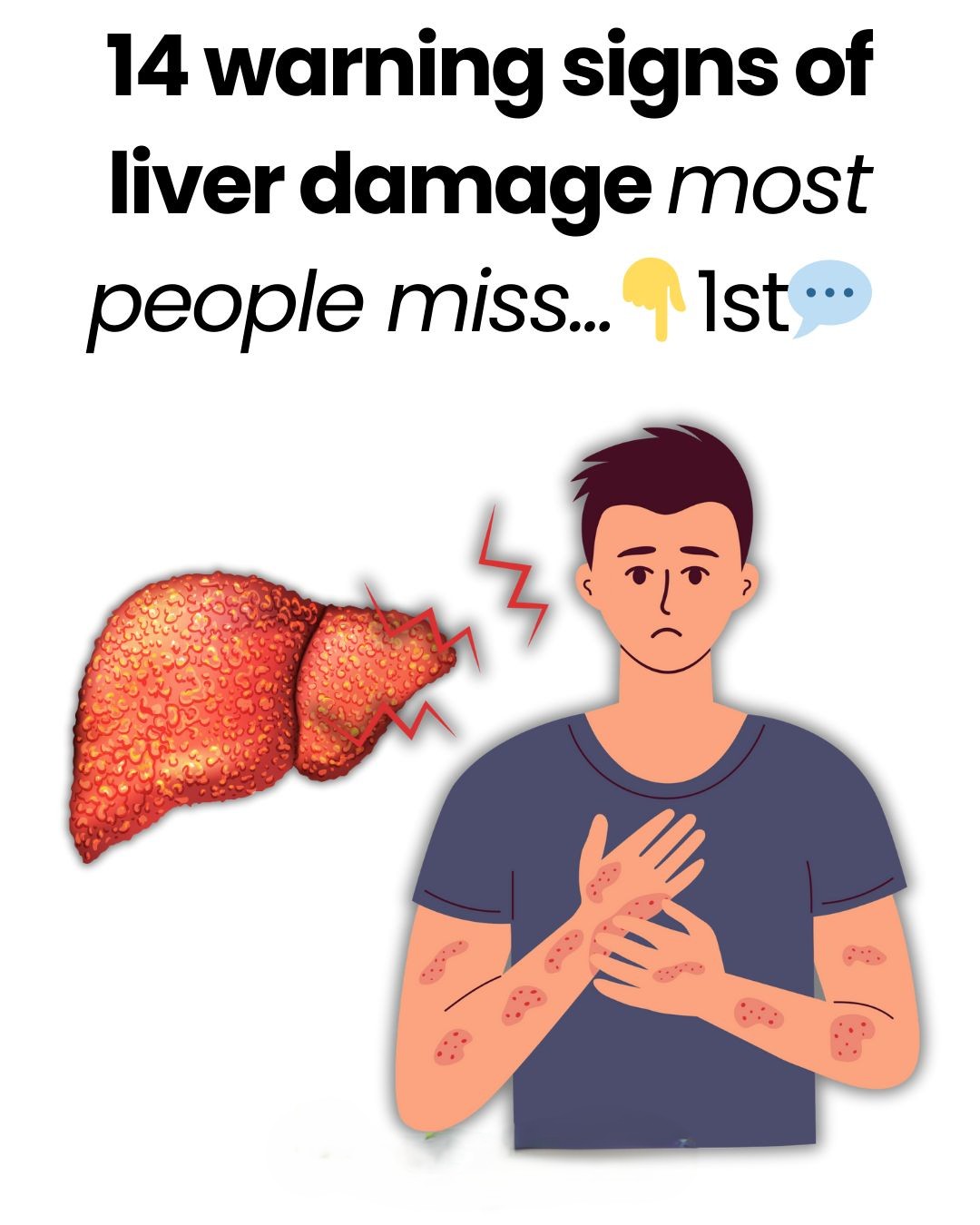
When your liver is damaged, it struggles to metabolize fats and proteins from your food, leading to difficulties in bile production and the processing of fatty meals. If you have chronic liver damage, you may experience symptoms such as nausea, vomiting, and a distaste for meals high in fat and protein.
When your liver is damaged, you may experience visible signs on your skin. Hormonal changes can cause small blood vessels to dilate, leading to the appearance of spider veins, especially on your face and torso. You may also notice a blotchy redness on your face, palms, and feet, which can be due to hormonal changes, vitamin deficiencies, or increased pressure in your vascular system.
In more advanced liver damage, jaundice can cause your skin to turn yellow. Jaundice occurs when a waste product called bilirubin builds up in the body, due to the liver’s inability to metabolize it.
When your liver is damaged, it needs to work harder to carry out its essential functions. This results in you feeling tired all the time and having difficulty concentrating, as your liver filters out toxins at a slower pace than usual.
The liver is also less efficient in breaking down food and absorbing the nutrients needed to maintain mental clarity and overall well-being. In more advanced cases of liver disease, this can lead to hepatic encephalopathy, which is brain damage caused by high levels of toxins in the body. The symptoms of hepatic encephalopathy include forgetfulness, memory loss and confusion.