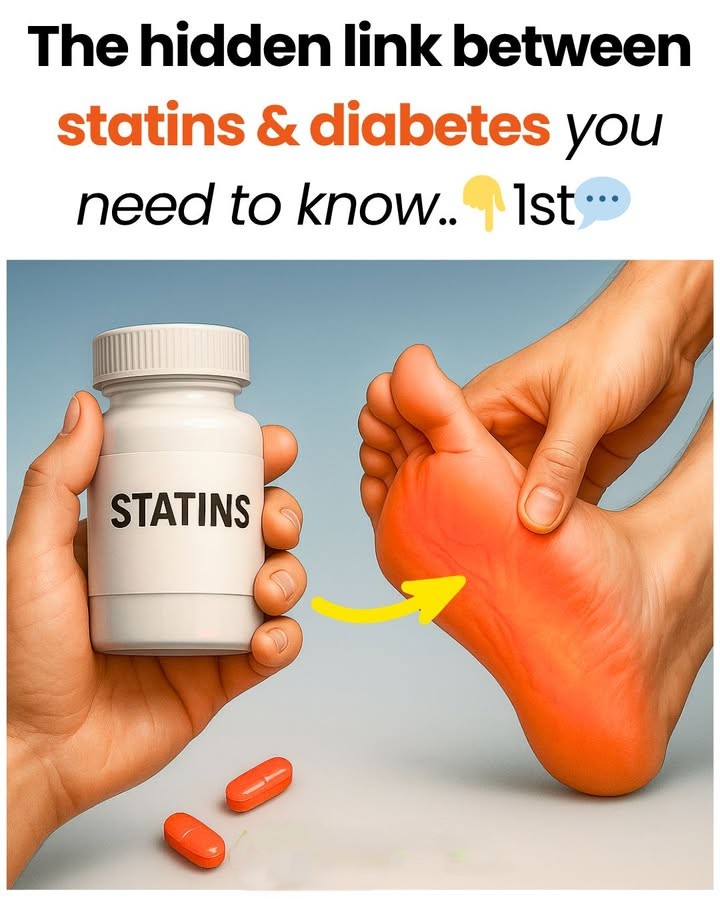
Conventional medicine often focuses on total cholesterol numbers, but is this the complete picture? It’s now commonly known that cholesterol is not the primary cause of heart disease. In fact, this study shows there’s no real link between cholesterol and heart disease. Cholesterol is essential for hormone production, cell membrane health, brain function, and vitamin D synthesis. Studies suggest that low cholesterol may even be linked to increased risks of cancer, memory loss, and other health problems.
Related: Study Says Treating High Cholesterol With Statins Is a Waste of Time
A More Holistic Approach: Beyond the Numbers
Instead of solely relying on total cholesterol, consider these key ratios for a more accurate assessment of your heart disease risk:
- HDL/Total Cholesterol Ratio: Aim for above 24%. Below 10% indicates a significantly elevated risk.
- Triglyceride/HDL Ratio: Aim for below 2.
Protecting Your Health: Natural Alternatives and Lifestyle Changes
If you’re concerned about statins, know that there are ways to protect your health through a healthy diet and lifestyle. A low-carb, low-sugar diet rich in antioxidant-rich vegetables can protect you from heart disease, diabetes, and other ailments.
Here’s how to take a proactive approach:
- Embrace a Low-Carb, High-Fiber Diet: Focus on nutrient-dense foods that stabilize blood sugar and reduce inflammation.
- Prioritize Regular Exercise: Physical activity improves insulin sensitivity and boosts overall cardiovascular health.
- Manage Stress: Chronic stress can wreak havoc on your hormones and blood sugar levels. Find healthy ways to manage stress, such as meditation or yoga.
- Consult a Knowledgeable Healthcare Provider: Work with a doctor who understands the complexities of cholesterol management and is open to exploring alternative approaches.