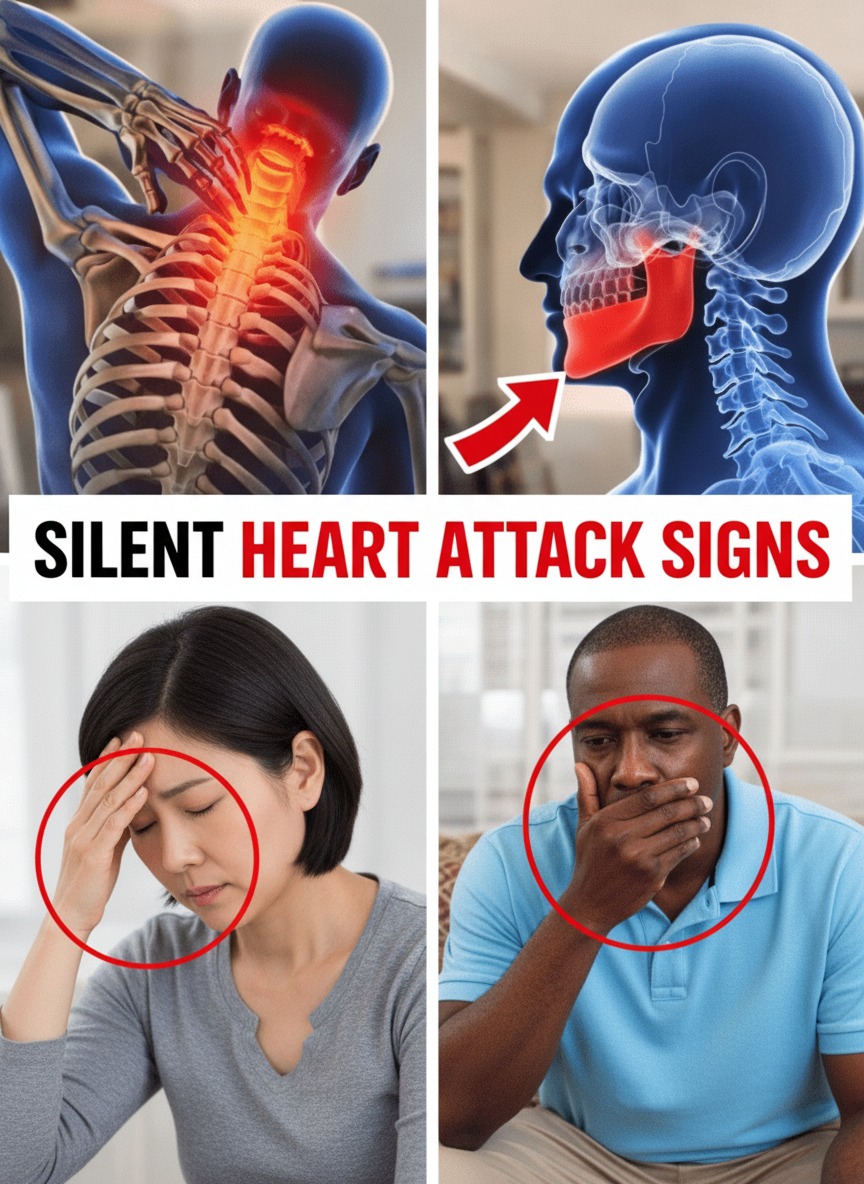
What Exactly Is a Silent Heart Attack?
A silent heart attack functions much like a conventional one: a blockage restricts blood and oxygen to a part of the heart muscle, leading to damage. The critical difference lies in its presentation. Symptoms are either so mild, brief, or unusual that individuals don’t associate them with a cardiac event. Studies, including those from the Cleveland Clinic and American Heart Association, suggest that 20-60% of heart attacks might be silent, with higher rates observed in groups like diabetics or women. You might feel “off” for days or weeks, allowing life to continue uninterrupted—until it can’t. This makes understanding its subtle language vitally important.
5 Subtle Signs of a Silent Heart Attack
1. Unexplained Fatigue That Lingers
One of the most frequently dismissed indicators is sudden, overwhelming tiredness disproportionate to your activity level. You might feel utterly drained after simple tasks like a short walk or climbing a few stairs, even after adequate rest. This profound fatigue often signals your heart is working harder with reduced blood flow. Many attribute it to stress, poor sleep, or aging. However, if this exhaustion is new, persistent, and without clear cause, it demands attention. Women, in particular, often report extreme fatigue as a primary symptom over classic chest pain.