2. Cold Feet — Even in Warm Rooms
Poor circulation can cause:
-
Persistent coldness in one or both feet
-
Temperature difference between limbs
-
Pale or bluish skin tone
Blood carries warmth. If arterial flow is reduced, extremities feel cold — especially at night when circulation slows further.
This symptom should not be dismissed as “just poor circulation” without evaluation, particularly in individuals over 50.
3. Numbness or Tingling


4
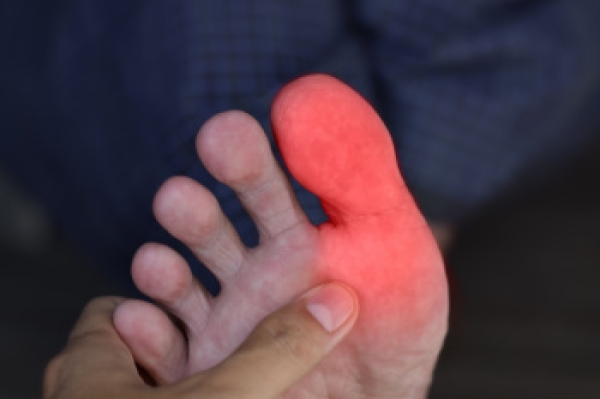
Reduced oxygen supply affects nerve function.
Symptoms may include:
-
Pins and needles sensation
-
Numb toes
-
Burning discomfort
-
Hypersensitivity
Although diabetes is a common cause of nighttime numbness, vascular narrowing can produce similar symptoms.